Think about how many steps your shoes carry in a week: school runs, errands, garden beds, fairways, long walks with friends. Footwear is the quiet foundation of an active routine, yet it often gets less attention than almost anything else you own. This guide offers a handful of practical habits for choosing, rotating and caring for shoes.
Run a closet audit twice a year
Set aside a Saturday morning and line up every pair you own. Pick each one up and look at the soles for uneven wear, flattened cushioning or cracked edges. Check the inside for worn lining and the laces for fraying.
Sort the pairs into three piles: keep for daily use, keep for light duty such as short errands, and retire. Many people are surprised by how many favorites are well past their best. Retiring a pair does not have to mean throwing it out; the old sneakers can become permanent garden shoes.
Photograph the pairs you keep and tape the picture inside the closet door. When you are rushing out for a walk, a quick look at the photo reminds you which pair is meant for which outing, and it keeps the best pairs from being used for muddy jobs.
Shop in the afternoon with your usual socks
Feet are often a little larger later in the day, so an afternoon visit to the shoe store gives a more realistic fit. Bring the socks you normally wear for the activity, whether thin walking socks or thicker cushioned ones.
Stand, walk the length of the store, and pay attention to space around the toes and a snug but not tight heel. Try both shoes, because feet are rarely identical. If you can, test the pair on a hard floor, not just carpet.
- Leave about a thumb's width in front of the longest toe.
- Make sure the heel stays put as you walk.
- Flex the shoe at the ball of the foot to see how it bends.
- Wiggle your toes freely without them pressing on the sides.
Rotate pairs through the week
Wearing the same pair every day wears the cushioning down quickly and leaves no time for the shoe to dry out. A simple rotation of two or three pairs lets each one rest between outings and tends to extend its life.
Match the pair to the task. A well-fitting walking shoe for neighborhood strolls, a sturdy closed-toe pair for yard work, a dressier option with decent support for dinners out. Having a purpose for each keeps the choice effortless.
Seasonal swaps matter as well. Breathable mesh suits summer strolls, while a sturdier, water-resistant pair is welcome on damp autumn mornings. Store off-season pairs in a dry spot with a little tissue paper inside to hold their shape.
Build a small care routine
A few minutes of care keeps shoes ready. Remove insoles to air out, wipe off mud with a damp cloth, and stuff wet pairs with newspaper to dry away from direct heat. Replace laces when they fray and keep a small brush by the back door.
Store shoes where air can move around them rather than in a sealed bag. If you walk a lot, jot the purchase month inside the tongue with a marker, so you will know roughly when a pair is due for replacement. The Mayo Clinic healthy lifestyle pages offer general reading about staying active, which is a nice companion to a footwear refresh.
How a daily capsule fits the routine
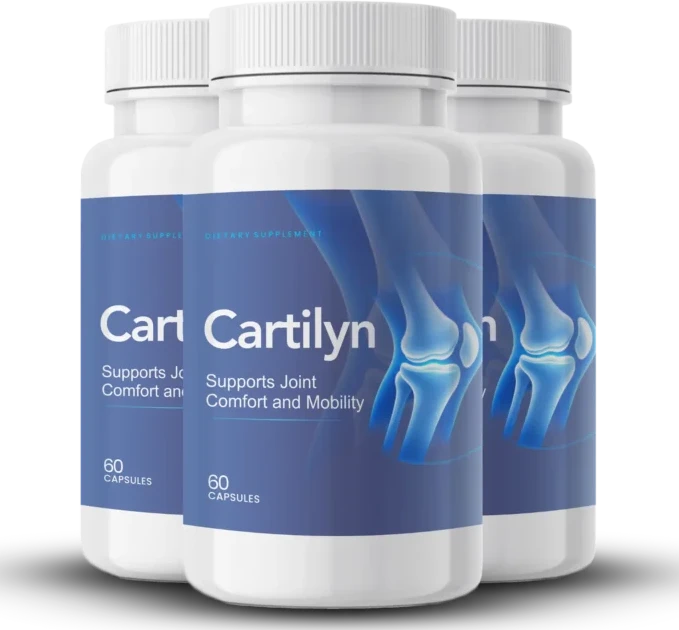
Good footwear works from the outside, while a daily capsule routine is its own separate habit. Cartilyn is a dietary supplement in capsule form, designed to support everyday joint comfort and mobility, and it comes as 60 capsules per bottle. Directions for use and the complete Supplement Facts panel appear on the label.
Think of the two habits as a pair of morning cues: lace up, then take your capsule, or the other way around. Our guide to capsules covers handling and storage in plain language, and our benefits page explains how the product is positioned. If it feels right for you, order Cartilyn today with a 60-day money-back guarantee.
Pair good shoes with good surfaces
Footwear is only part of the picture; the ground matters too. Whenever possible, choose paths, tracks and lawns over long stretches of hard pavement. Vary the terrain across the week so your stride changes and no single surface carries all the work.
At home, a mat in the kitchen or a rug near the workbench can make long standing jobs more pleasant. If you stand a lot, alternate which foot is forward every so often.
For ideas about how to put new shoes to work, see our post on walking habits for everyday energy, which suggests routes, timing and companions that keep a stroll interesting.
For general advice on staying active throughout the week, the CDC physical activity basics are a friendly starting point.