A planner does not need to be fancy to be useful. One sheet of paper, a pencil and fifteen minutes on Sunday can organize a whole week of easy movement, meals and daily habits. This guide shows how to sketch a one-page layout with themed days and flexible slots, so you always know what a good day looks like.
Draw the grid
Turn a sheet sideways and divide it into seven columns, one for each day. Draw three horizontal bands across the page and label them Morning, Midday and Evening. You now have twenty-one small boxes, and nobody needs to fill them all.
At the top, write one sentence about your focus for the week. It could be as simple as: walk after dinner, stretch before bed. A single clear sentence keeps the page from turning into a to-do list.
Give each day a theme
Themes remove decisions. Monday might be Walk Day, Tuesday Garden Day, Wednesday Stretch Day, Thursday Social Day, Friday Light Day, Saturday Adventure Day and Sunday Rest and Plan Day. Rename them to match your own life.
When the theme is set, the details fill themselves in. A Walk Day needs shoes by the door and a route in mind. A Stretch Day needs ten quiet minutes and a mat. Our articles on daily stretching routines and walking habits supply plenty of material.
- Choose one theme per day, not three.
- Keep one day completely open for spontaneity.
- Place your most social activity on a weekend slot.
- Mark one evening for an early night.
Fill the three bands with small habits
In the Morning band, write the habits that start your day: a glass of water, your daily capsule, a few stretches. In the Midday band, add movement breaks, a walk after lunch or errands on foot. In the Evening band, add a relaxed activity and your wind-down.
Use short phrases and symbols. A little sun for outdoor time, a footprint for walking, a leaf for a garden task. A page that looks friendly is one you will glance at often.
General guidance from the CDC physical activity basics can help you decide how much activity to pencil into the week.
Leave a few boxes deliberately empty. Blank space is not a failure; it is room for a chat over the fence, a surprise visit or simply an afternoon off. A planner with breathing room is much easier to keep than one packed from edge to edge.
Include your supplement routine
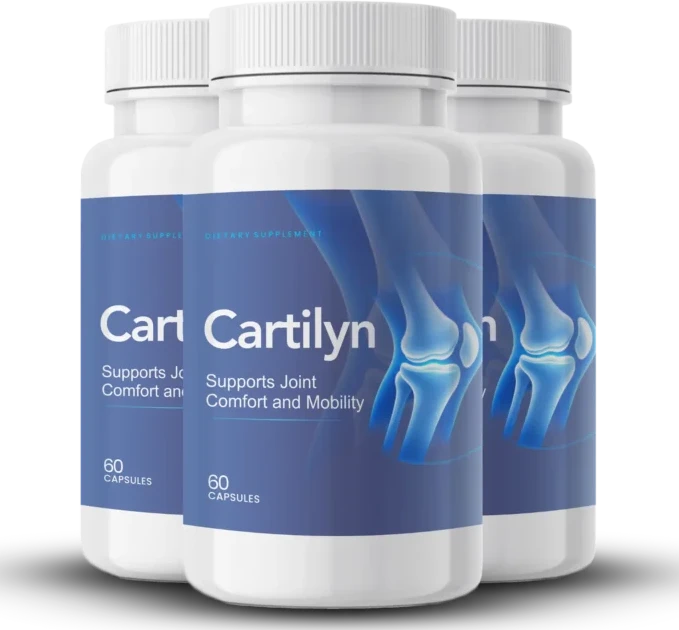
A planner works best when it holds everything, including the small daily items. Cartilyn is a dietary supplement in capsule form, made to support everyday joint comfort and mobility, with 60 capsules in each bottle. Write a small mark in the Morning band for the days you plan to take it, and follow the directions on the label.
A row of tiny boxes along the bottom of the page works as a habit tracker. If you want to see how the product is described, our daily routine guide walks through everyday setup. When you are ready for your own bottle, you can order Cartilyn today and rely on the 60-day money-back guarantee as you get started.
Run the Sunday review
Set aside fifteen minutes each Sunday with a cup of tea. Look at last week's page. What got done, what got skipped, what felt good? Circle the favorites and cross out anything that felt like a chore.
Then make next week's page. Copy the keepers, swap in one new idea, and check the calendar for appointments or visitors. You will quickly learn how many ideas fit in a realistic week, which is usually fewer than you first guess.
Bring a colored pencil to the review and shade the boxes you completed. By the end of the month, the page glows with color, and you can see at a glance which themes suit you best.
Keep it visible and flexible
Post the page on the refrigerator or tuck it into a kitchen drawer you open daily. A planner hidden in a drawer is a planner you will not follow. If you prefer digital tools, a simple list on your phone works the same way.
Think of the layout as a guide, not a contract. Rain on Tuesday? Slide Garden Day to Wednesday. Visitors arrive Thursday? Turn Social Day into a family walk. The planner exists to serve your week, not the other way around.
For broader inspiration, see our overview of joint-friendly movement habits for active days, and visit the Mayo Clinic healthy lifestyle pages for general reading. After a month, stack your weekly pages together and flip through them. The pile is proof of steady effort, and it makes a nice starting point for the next season's plan.